

Accounting Firm SOPs: A Practical Guide for Owners
By Asli KahramanAccounting firms sell accuracy and reliability. Yet behind the scenes, many small firms run on memory: the owner knows how each client likes to be handled, one senior staff member knows the month-end routine, and every busy season the same questions get asked again.
That works until it doesn't. A key person goes on leave during filing season, a new hire makes a mistake nobody caught, or a client gets a different experience depending on who handled their file. Standard operating procedures are how firms make their quality repeatable.
This guide covers which SOPs an accounting or bookkeeping firm needs, how to structure them, and how to get them written without taking time away from billable work.
Why Accounting Firms Need SOPs
- Deadlines don't move. When the busiest weeks of the year arrive, there's no time to train someone from scratch or reconstruct how a task was done last year.
- Quality depends on consistent review. Errors are caught by process, not by luck. A documented review step means work gets checked the same way every time.
- Client experience should not depend on who picks up the file. Onboarding, document requests, and communication should feel the same to every client.
- Knowledge concentrates in a few people. In small firms, the owner and one or two senior staff often hold most of the know-how. That's a risk we cover in the key person risk every small business owner ignores.
The SOPs Every Accounting Firm Should Have
Client onboarding
Document every step from signed engagement to first deliverable: welcome communication, setting up the client in your systems, collecting access and documents, the kickoff call, and who owns the relationship. This is the first impression every client gets, so it should never depend on who happens to be available.
Document collection and follow-up
Write down what you request from each type of client, how you request it, where it's stored, and how and when you follow up when documents are missing. A checklist per client type saves hours of back-and-forth.
Recurring workflows
For each recurring service, document the workflow step by step: monthly bookkeeping and close, payroll processing, accounts payable and receivable, reconciliations, and reporting. Include the tools used, the order of operations, and the deadline for each step.
Review and quality control
Define what gets reviewed, by whom, and against what checklist before anything goes to a client. This is the SOP that protects your reputation.
Client communication guidelines
How fast do you respond? Which channel is used for what? How are sensitive topics handled? Clear guidelines keep communication professional and consistent across the team.
Data security and access
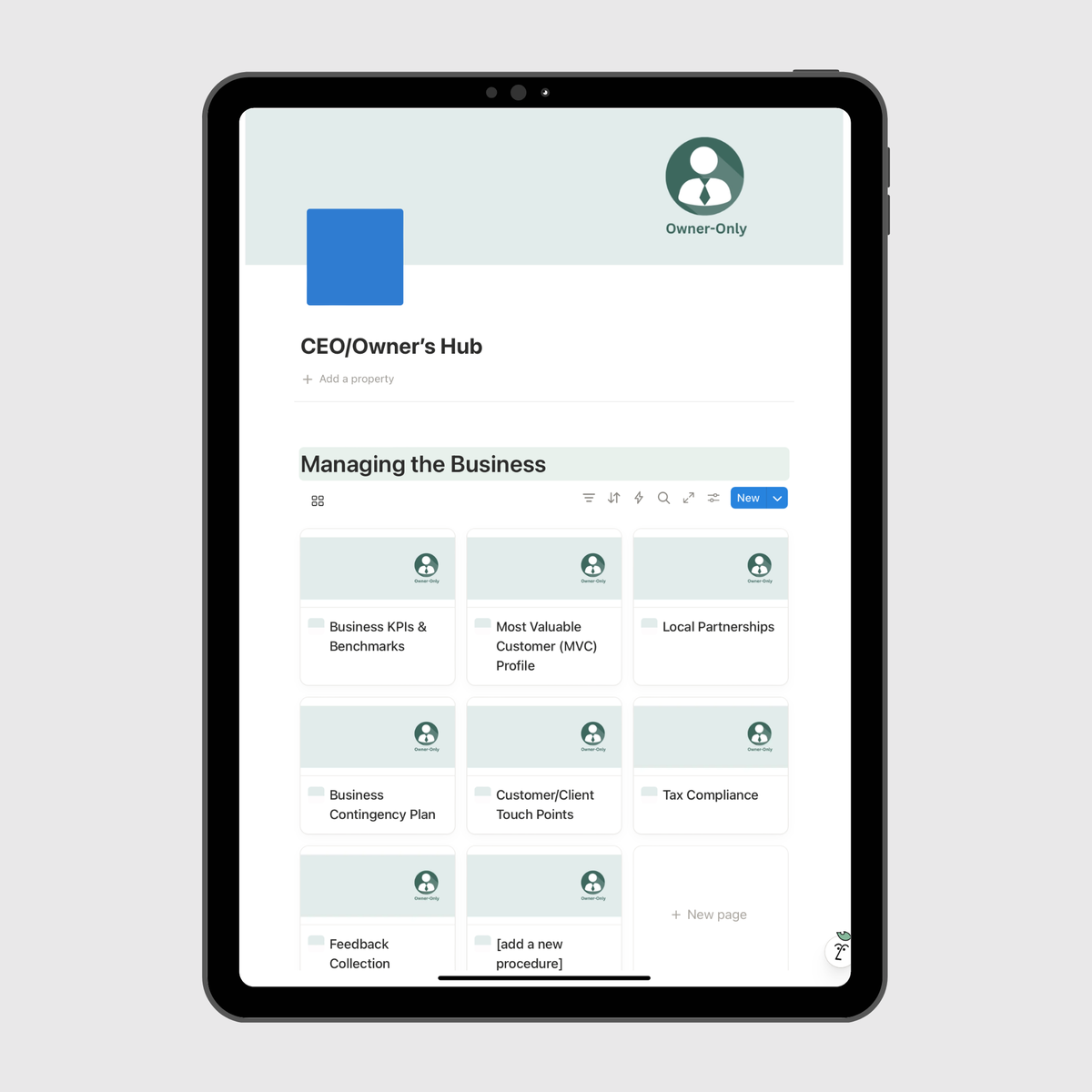
Document how client data is stored and shared, who gets access to what, how passwords and credentials are handled, and what happens when someone leaves the firm. This belongs in a section only management can edit.
Billing and collections
Write down how and when you invoice, payment terms, and the follow-up sequence for overdue invoices.
Hiring, training, and offboarding
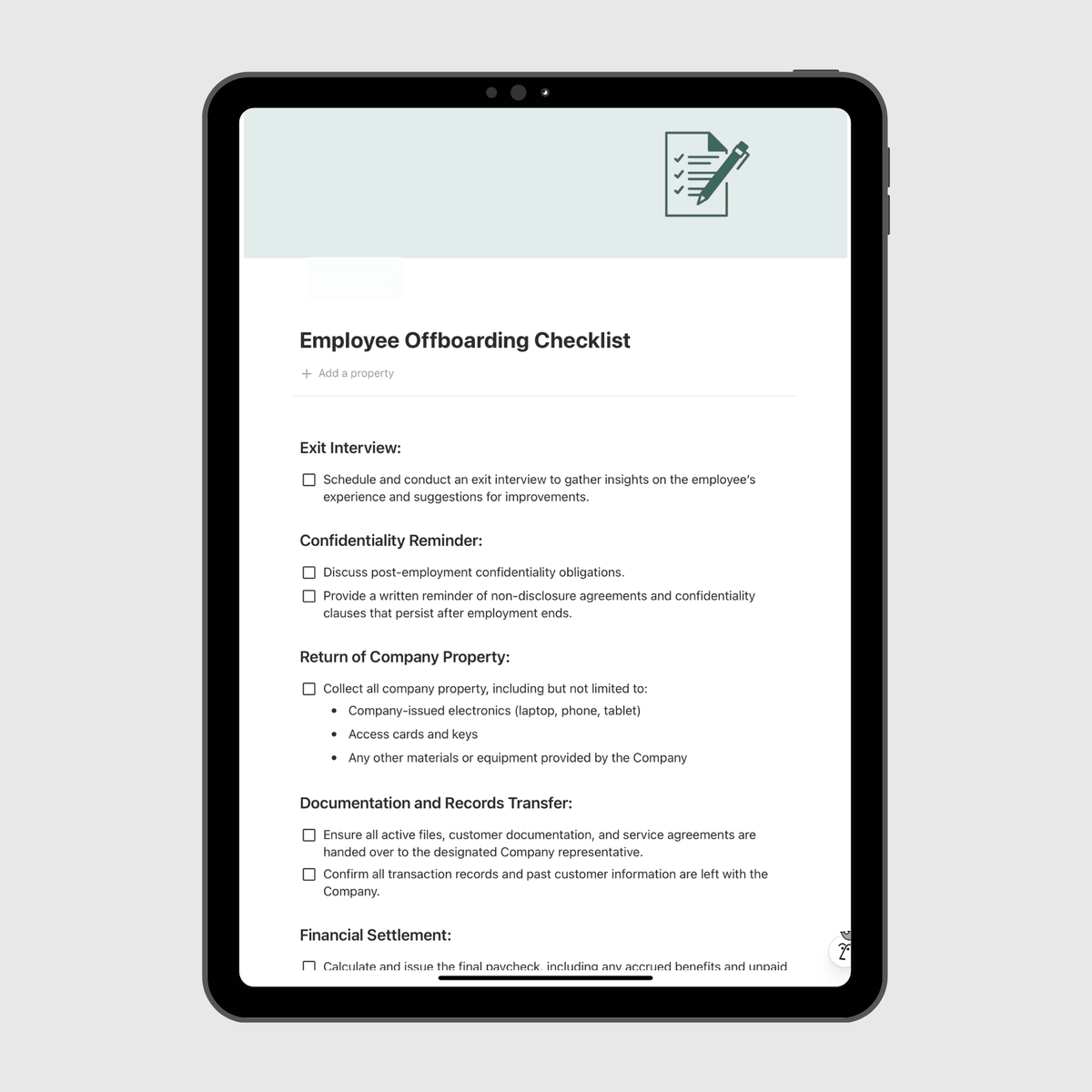
Create a training roadmap for each role, so a new bookkeeper or staff accountant knows what to learn in their first week, first month, and first busy season. Add an offboarding checklist so access and client knowledge are handed over cleanly.
How to Structure an Accounting Firm's Operations Manual
Individual SOPs work best when they live in one organized manual. A practical structure for a firm:
- Introduction and firm overview: who you serve, your services, and your tech stack.
- Culture and standards: how you expect the team to work with clients and with each other.
- Org chart and job descriptions: every role, who it reports to, and what it owns.
- SOPs hub by service line and team: onboarding, bookkeeping, payroll, tax, advisory, admin.
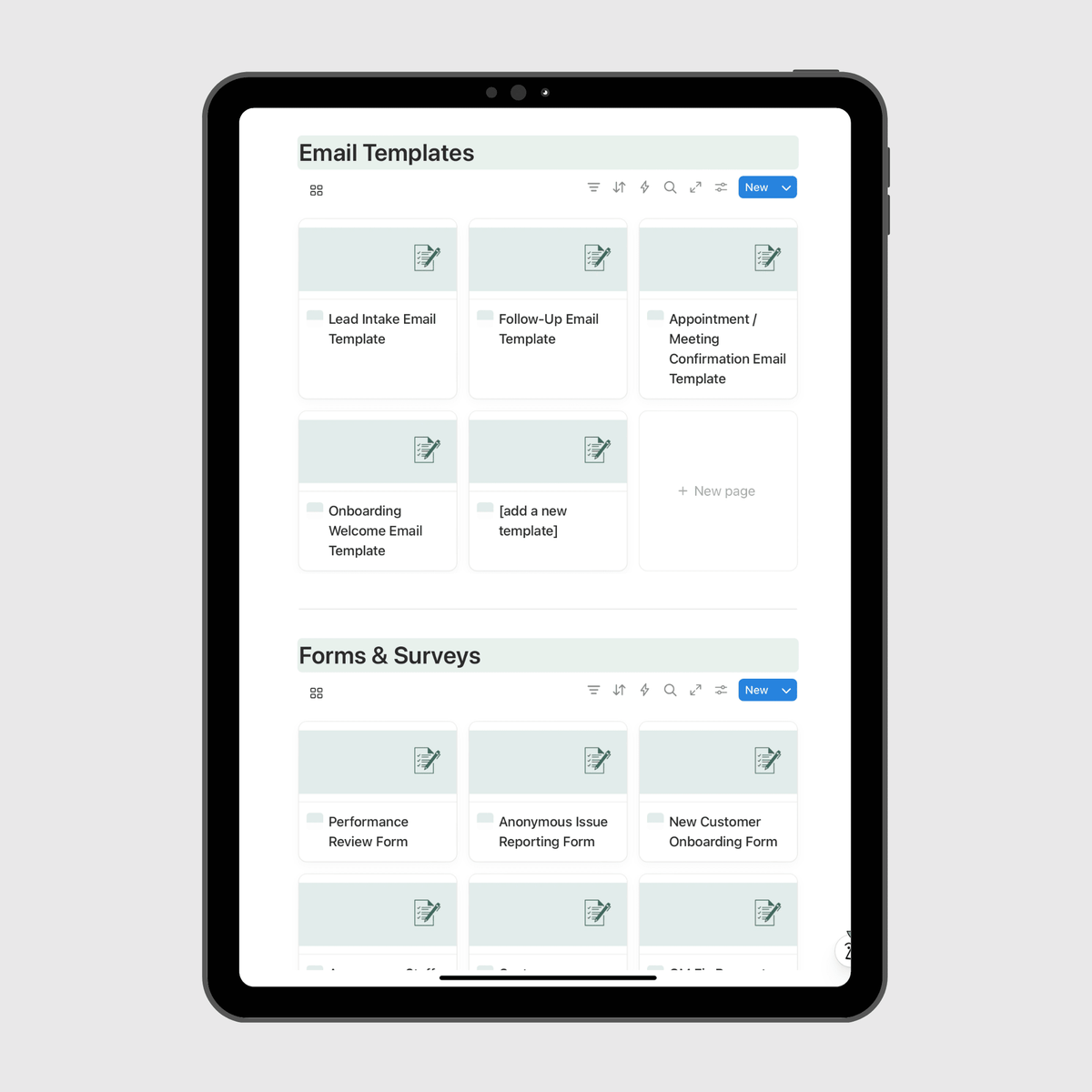
- Checklists and templates: document request lists, review checklists, email templates.
- Management-only section: pricing, KPIs, access management, and HR documents.
- Tutorials and training: short walkthroughs of the software your team uses daily.
For a full section-by-section outline, see Operations Manual Template: What to Include, Section by Section.
When to Write Them
The worst time to document an accounting firm is in the middle of busy season. The best time is right after it, while the pain points are fresh and there's breathing room to fix them. Start with client onboarding and your most frequent recurring workflow, then build out from there.
What Accounting and Bookkeeping Clients Say
We've worked with accounting and bookkeeping businesses, along with businesses in many other industries. A few words from them:
"Asli is very professional and she has a very deep understanding concerning operations when it comes to scaling your business or franchising. I feel at peace working with her because she walks me through every step." Jeremy L., Owner, Tax Resolution Accounting

"I can't begin to express how incredibly helpful it was to sit down with someone and just talk about the business..." Rachel B., Owner, Gentle Frog Bookkeeping
Read more on our Wall of Love.
Doing It Yourself vs. Having It Built
If your firm is small and you have time between deadlines, you can start from a pre-built operations manual template and adapt it. If billable work always wins over documentation, a done-for-you operations manual gets it finished: we run structured Knowledge Extraction Calls with you and your team, then write the SOPs and build the manual in Notion. Your time commitment is the calls themselves.
Frequently Asked Questions
What SOPs should an accounting firm have? At minimum: client onboarding, document collection, each recurring workflow such as monthly close and payroll, review and quality control, client communication guidelines, data security and access, billing and collections, and role-based training roadmaps.
Where should an accounting firm keep its SOPs? In one organized, searchable operations manual with a section for each team or service line, rather than scattered documents. Keep sensitive material, like access management and pricing, in a section only management can open.
How do you write SOPs without losing billable time? Start with the processes that cause the most rework, document them right after busy season, or have them built for you through short, structured interview sessions.
How often should accounting SOPs be updated? Whenever a process, tool, or requirement changes, and with a full review at least once a year, ideally before your busiest season.
Ready to systemize your firm?
See how our Custom Operations Manual service works, or fill out our Custom Inquiry Form.
Prefer to start on your own? Get the Small Business Operations Manual Template, pre-built in Notion with 60+ SOPs ready to customize.